
Summer house paint colours

Summer house paint colours
Our top summer house colour schemes with real customer photos
Asking “what colour should I paint my summer house?” – Here are our ideas
Choosing the right colour to paint your much loved summer house can be problematic. The last thing you want to do is pay out a small fortune on paint, spend half a day studiously decorating, and then discover your choice of colours doesn’t work. The wrong shade of green could make your summer house disappear into the surrounding plants. Pick a bright colour to help it stand out, get the wrong shade, and you could end up with an eyesore.
To help you pick the best summer house paint colours we’ve selected photos showing real customer summer houses in a range of different colours.
1. Why paint your summer house?
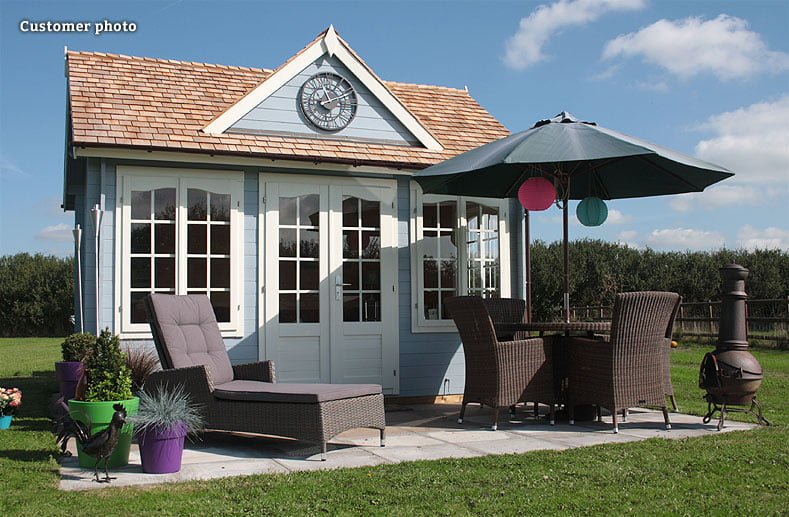
There’s a practical element to painting a summer house or any other timber garden building: it gives protection from the weather, insects, mould and fungus. Even if you opt for a dip treated summer house, we recommend that all our timber buildings are finished with paint or varnish as soon as they are constructed.
But practicality is just the start of it. You can use the colour scheme of your summer house, shed or garden room to say something about yourself, complement certain aspects of your garden, help the building blend into the background or make it a focal point of your garden design.
2. Choosing a summer house paint colours
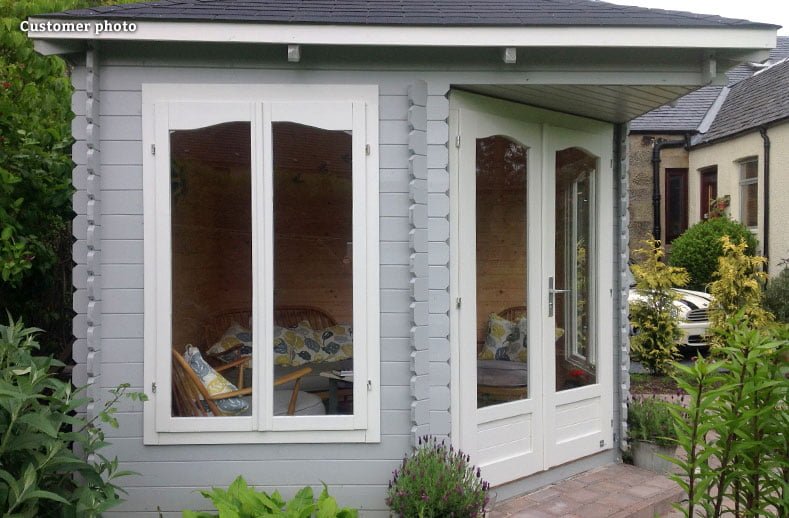
A dash of paint can be the difference between a traditional English-style summer house and a contemporary garden office. It can conjure up the beach, a Nordic forest, the Scottish Highlands, some urban cool, or leave the eye free to focus on the plants around it.
And for those who already own a summer house, a paint job is a relatively hassle-free way to transform or revive an ageing garden building.
Obviously, that’s empowering; it’s also a bit daunting. Given the power of colour to transform, where on earth do you start?
3. A few basics about choosing a paint colour for a summer house
The ‘classic’ summer house paint scheme is to have the walls in a darker shade, and the doors and windows a lighter shade – white, cream, or a paler shade of the wall colour.
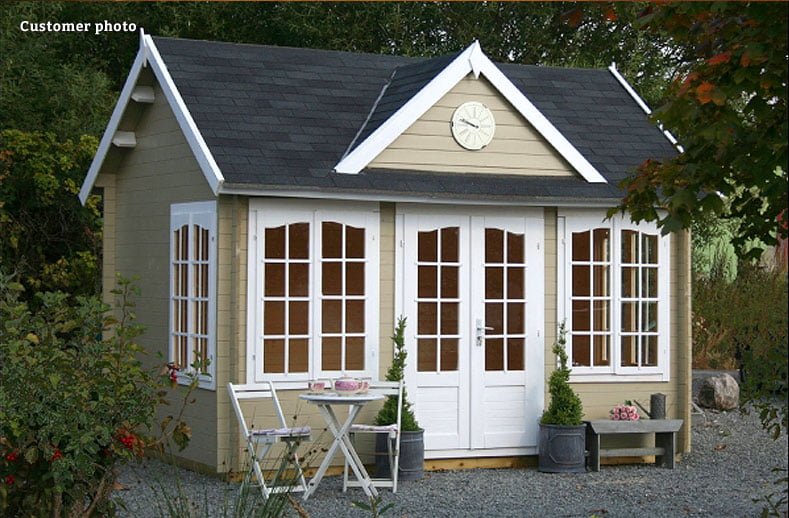
Greens, beiges and greys work well with this format, as do a wide variety of styles and sizes of building. A great example is the beige and crisp white scheme one of our customers used on a traditional clockhouse garden building, which has been nicely enhanced with garden furniture and topiary.
For a darker colour scheme, look at the dark/light combination on this Melanie corner summer house. The olive-green walls help it blend with rest of the garden, whilst the blue plant pots add a dash of colour.

4. Bold and bright Summer house paint colours
The darker walls / lighter trim approach works well with bolder colours too. You’re making more of a statement, but still not breaking any rules. Blue and white gives a good nautical or vintage feel, and colour contrast also helps to highlight the excellent design, build and features of a summer house. Take a look at:


We love both these shades of blue, which give a Mediterranean feel in summertime, and inject some cheer in the autumn and winter months, without looking out of place against greyer skies. See how a blue roof can add to the effect.
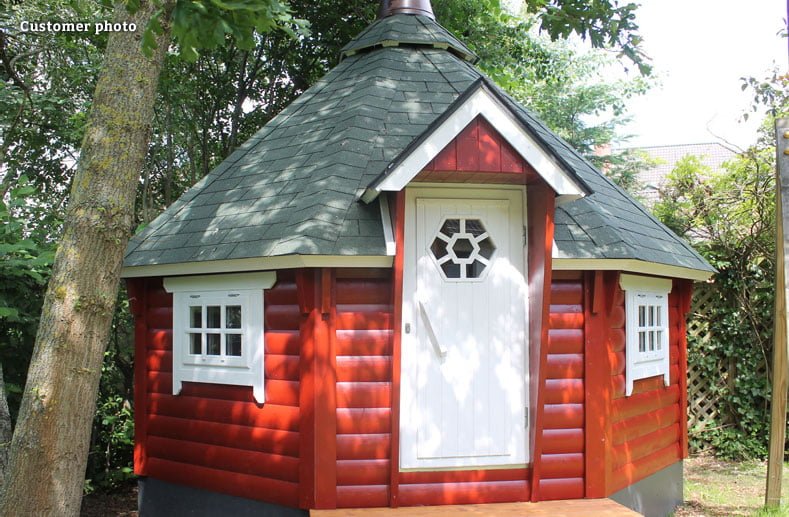
Another popular colour with our customers is dark red or burgundy. Take a look at these two beauties, both with a distinct Nordic style – one looks like an enviable island summer house, the other is straight out of an enchanted forest. In both cases, the lighter doors and windows add definition.

5. Use just one summer house paint colour
Another option is to use the same colour throughout and it’s interesting to see the different effects this can achieve. Generally, a single colour makes a summer house merge with its surroundings more – though of course it depends on the colour. Pink walls and window frames certainly don’t disappear into the background – however vibrant your garden.
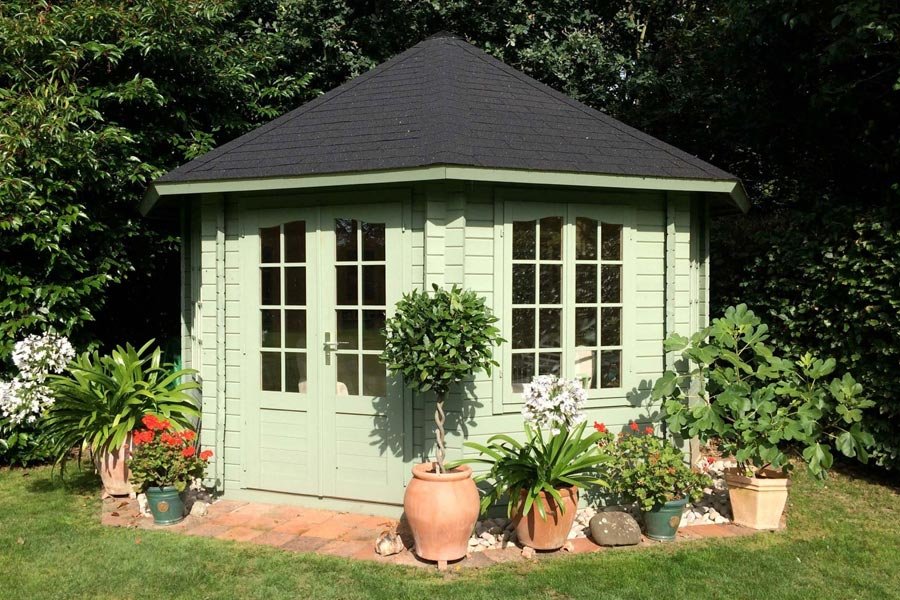
This octagonal Hanna summer house has been painted an attractive pale green which blends with the surrounding garden – it’s certainly not camouflaged or invisible, but it’s not saying ‘Admire my fine door and window features!’ either.

6. Using neutral summer house paint colours
You can take this blending effect a step further with neutral colours, and we particularly like two customer examples of this. First is a modern, white garden room that pulls your eye towards the horizon and lengthens the garden. Lighting inside and out adds warmth to the stripped-down design, and we would happily spend many a day there.

We would also happily while away the summer in this Veronica pavilion and the beautiful garden that surrounds it. With a natural dark wood stain throughout, the structure almost disappears into the surrounding garden. Windows on all sides of the summer house mean the garden is visible from every angle.

7. Stain or paint a summer house with colour?
This brings us onto another basic ‘rule’ about colour – that using stain rather than paint allows the natural grain of the wood to show through. And stain doesn’t have to be brown. Using a pale limewash-effect stain can give a vintage feel, or you could go bolder in your colour choices, as with this Hanna summer house.
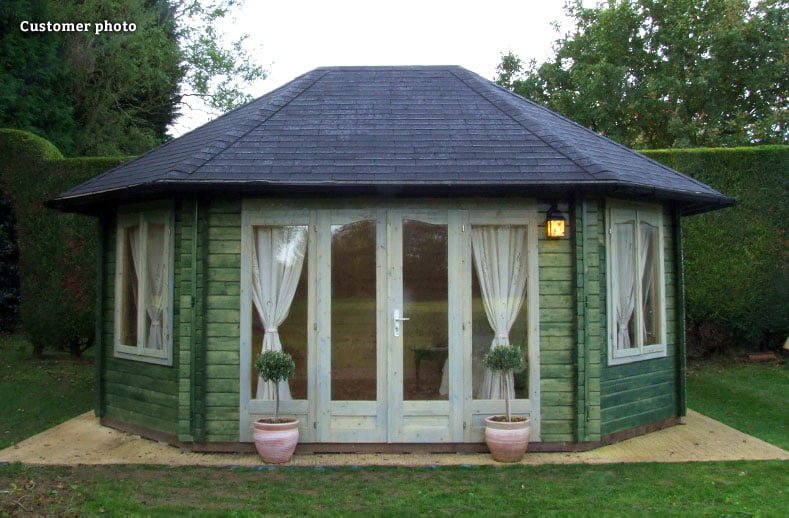
Using a stain makes the colour less ‘in-your’ face than paint, and more rustic – not so great if you were looking for a more urban effect.
8. Summer house paint colours for modern living
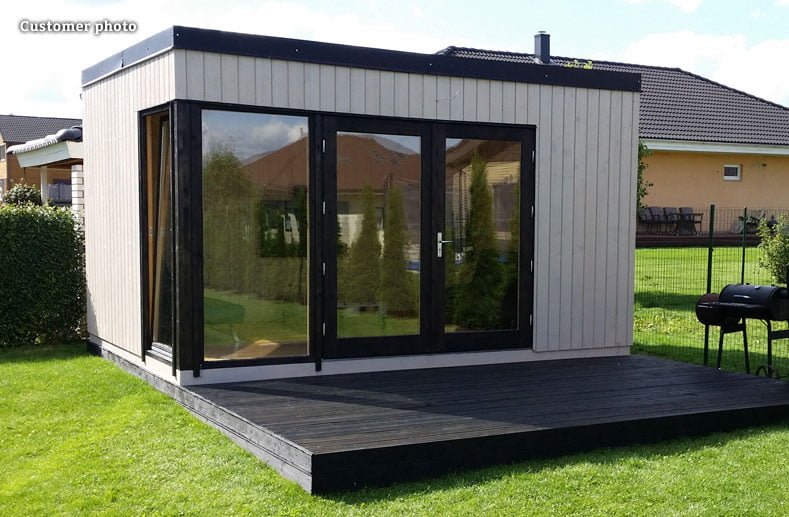
If you’re after a more modern or urban feel for your summer house paint colour choice, matte paint is a good bet. Greys, black, charcoal, or the dark, dark greens and midnight blues that you see on front doors in Amsterdam make a good colour palette here.
These colours make even a traditional summer house look more twenty-first century, and work very on contemporary designs too. A contrasting white or grey trim will catch the eye, as can a reversal of the usual dark/light principle – so you have pale walls and darker doors and/or windows.

9. Adding summer house colour through accessories
Finally, a word about accessories and touches of colour. Borrow a great tip from many a boutique hotel, and use a grey palette (or other neutrals) for walls, floors and doors and add touches of bright colour (eg inspired by flowers and other plants) for anything from cushions to garden furniture to plant pots.

10. Keep things flexible
As well as adding sophistication to the overall look, the ‘boutique hotel’ approach is practical – you can keep the neutral backdrop to your summer house unchanged, and change the accessories to alter the look. A pale-grey Japanese-inspired garden room with minimal decoration could transform into a seaside theme with the addition of some blues, and stripes and different furniture.
Need more summer house paint colour inspiration? Check out more GardenLife Log Cabins customer photos or our Pinterest pinboard on summer house colour schemes.
Sustainable garden design – 15 quick tips
Sustainable garden design – 15 quick and essential tips
It’s odd to think that a garden may not be an environmentally-friendly or natural place. Most have a lawn, greenery and some trees. However, these days it is often normal for paving slabs, non-native species, fences and chemical sprays to prevail. Together, these can all make for a rather hostile and unsustainable habitat that is far from natural.
Creating a sustainable garden design that’s healthy, supportive of nature, an ethical food source, and that is also good for the environment and climate doesn’t have to be a huge commitment however. There are lots of simple steps you can take, and they don’t require expensive kit, specialist environmental knowledge, or a lot of time.
Here are 15 quick steps toward a sustainable garden design that will allow you to turn your lot into a rewarding food source, a haven for indigenous species and an ally of the wider environment and climate.
1. Encourage native trees

Unsurprisingly, native garden wildlife prefers and benefits from indigenous tree species, which means more biodiversity and healthier wildlife in your garden. Native trees such as Alder increase nitrogen levels in the soil, and nitrogen helps other plants grow. Downy Birch and Silver Birch both draw up nutrients from deep within the soil, again, benefitting other nearby plants. You can read more about the benefits of indigenous species on our blog post about planting native British trees. When it comes to a sustainable garden design, you can’t beat native trees that support wildlife and feed and nourish other plants in the garden.
2. Grow a native hedge

Instead of installing a fence or building a wall, what about planting a native hedge instead? A hedge may not provide instant security or privacy, but it will provide pollen, food, shelter and a home for moths, butterflies, spiders, insects, birds and hedgehogs (and with hedgehog numbers in steep decline, a native hedge could make a difference). Building a fence consumes natural resources and can lock out native wildlife. However, a healthy growing hedge helps to capture and store carbon dioxide (which can help fight climate change). A mix of field maple, beech, hawthorn, blackthorn, elder, dog rose, hazel, holly and crab-apple is ideal, but if you do opt for a fence, consider a hedgehog hole.
3. Make a log pile

If you can’t source sustainable logs locally, buy a sack at the local garage, drill some holes in the ends with a 5mm drill bit, and make a small pile in the garden ensuring that the holes catch the morning light. This little log pile will provide a home for numerous insects, beetles, bugs and bees, all of which will help with pollination (and with bee numbers declining rapidly they need all the help they can get). In time the log pile will rot down and the nutrients it releases will benefit other nearby plants.
4. Create a veg patch

The most obvious element of sustainable garden design is a veg patch. It’s incredibly rewarding to cook with your own homegrown food, and growing it doesn’t have to be complicated. Peas, broad beans, purple-sprouting broccoli, beetroot, salad leaves – they’re just some of the great veg you can grow easily in your garden, and they taste so much better than shop-bought versions. You’ll also cut down on pollution and carbon dioxide from food miles that supermarket veg stack up in order to reach your plate. If you don’t have much room that’s not a problem either. To grow your own potatoes all you need is a sack full of soil, you can train peas and beans to grow up around existing trees, and garlic and spring onions will grow in tubs.
5. The same goes for fruit gardens

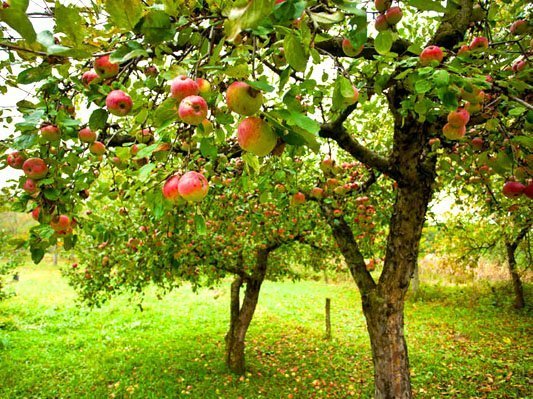
Even the UK’s unreliable climate produces everything from apples and pears to cherries, blackcurrants, strawberries and rhubarb, and you don’t have to have a huge garden. Pollinators flock to fruit trees and bushes, and if you’ve ever tasted a raspberry or bramble straight off the bush you’ll know there’s something about it that plastic-wrapped fruit just can’t replicate. When you eat seasonal fruit that you’ve grown yourself you are helping to reduce pollution, carbon dioxide and packaging waste. When planning a sustainable garden design, a mix of fruit trees and native trees is a must.
6. Grow salad and herbs in containers

Lack of space, or even a garden, doesn’t have to stand in your way of growing your own. Herbs and mixed salad leaves can thrive in a window box, or if you have space but no soil, a small raised bed. They’ll taste great, and you’ll be saving on food miles. You could also integrate vertical vegetable gardening as part of a sustainable garden design.
7. Make your own compost

All it takes is a bin, and those scraps of food, lawn clippings and garden waste that you would otherwise throw away. The bins themselves are extremely cheap – or you could DIY it with an wooden pallet. Composting will give you a sustainable and nutrient-rich source of soil without having to buy in chemicals or peat-based compost. You’ll save money as well as recycling your waste into a highly useful product.
8. A weed is a flower growing in the wrong place

This may require a mental U-turn for many gardeners. Allowing native grasses, flowers and other plants referred to as “weeds” to flourish could greatly improve your garden, help the wider environment and local wildlife. Native species will attract plenty of pollinators, which could also be helpful for flowers, fruit trees and other plants in your garden. Species such as clover and vetch are often eradicated from lawns and beds, but they are both nitrogen fixers, enriching the soil to the benefit of plants around them. Even if you don’t want weeds growing throughout your garden, setting aside a space for a wildflower patch would be highly beneficial. As with alder and birch trees, having vetch and clover improving the soil is an important part of any sustainable garden design.
9. Spurn the chemicals

Pesticides, weedkillers and solvent/oil-based timber treatments can all make your garden hostile territory for wildlife. With oil being a major ingredient in both the products and manufacturing process they aren’t sustainable either. Chemical traces can linger in soil and water sources for years to come too. Opting for alternatives like organic pesticides or natural herbicides will still get rid of unwanted bugs and weeds without warding off the nice ones. Simpy deadheading weeds before they flower is often a highly effective solution.
10. Look for organic fertilisers

Feeding your garden plants is important to help keep them healthy and strong, but the production and use of chemical fertilisers has a high environmental cost (in resource use, shipping and waste). Chemical fertilisers can also flood water systems with excess nitrogen, which can lead to numerous other environmental problems far afield, such as algal blooms. Instead, for your sustainable garden design consider pine needles and pine wood chip to help enrich acidic soils that ericaceous plants such as rhododendrons and azaleas need. Use wood ash (from a wood burning stove), liquid seaweed solutions (available from most good garden centres), home made compost, and cow manure or horse dung (if you can get them locally) to feed and support plants and naturally improve poor soils.
11. Collect rainwater

Our climate is changing. In the UK we’re seeing more intense downpours and longer, hotter dry spells. If you opt to collect free rain water you’ll avoid paying the financial and environmental cost of getting water from the tap. It’s also worth noting that rainwater is generally better for your plants than chemically-treated tap water. We’ve already got a handy article about using water butts to collect rainwater here. Rainwater collection really is an essential element of sustainable garden design.
12. Help to avoid flooding
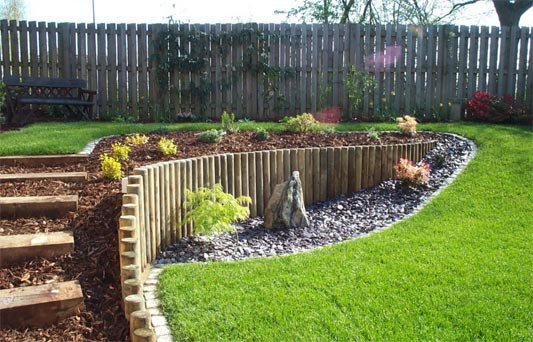
With storms and extreme rain becoming more frequent, we can all to do our bit to deal with run-off water. Do whatever you can to avoid paving over your garden, or using paving slabs for patios and garden paths – instead look at alternatives such as woodchip or gravel. If you collect rainwater in butts (above) and allow your garden to soak up heavy downpours, you can reduce runoff and the chances of local flooding.
13. Dig a pond (or make a small rain garden)

Yes, this can seem like quite an undertaking, but in a past blog post we outlined some really straightforward ways to create a pond in your own back garden. You’ll create the perfect habitat for frogs, toads and newts, especially if you dig one with shallow edges for them to slip in and out (avoiding steep sides also reduces the risks of small mammals such as hedgehogs falling in and drowning). Dragonflies and water beetles can usually be spotted after just a few weeks, and birds will use it for drinking.
14. Provide water sources for other wildlife too

Birds and animals need to drink, and in a long hot summer that can be a problem. Bird baths are an easy option, and you don’t necessarily have to go the whole hog with a stone bath – you could just fill a plant pot with water. Meanwhile, a small bowl of water, kept topped up, can attract hedgehogs and keep them around over the summer. There are other tips on making your garden hedgehog-friendly, and since hedgehogs help keep down slugs, they’re definitely a gardener’s friend.
15. Build a bee-hotel

Don’t be deceived by the name – these are easy to build, as you can see in this guide. They’ll support bees (especially solitary ones) which in turn will increase pollination in your garden. All of which means, more beautiful and healthy flowers – not just for you, but all the other gardens in your area!
If you look at the above list, panic, and wonder where to start on your sustainable garden design, don’t worry. You can transition your garden to a more natural wildlife-friendly habitat over time.
On sale now
-
 Garden corner building (6.8 sqm)
£1,999.00
Garden corner building (6.8 sqm)
£1,999.00 -
 Melanie (6.8 sqm) compact corner summer house
£2,649.00
Melanie (6.8 sqm) compact corner summer house
£2,649.00 -
 Iris (9.6 sqm) compact garden summer house
£2,768.00
Iris (9.6 sqm) compact garden summer house
£2,768.00 -
 Melanie (6.9 sqm) heavy duty corner summer house
£3,197.00
Melanie (6.9 sqm) heavy duty corner summer house
£3,197.00 -
 Lisa (11.5 sqm) pent timber garden room
£3,299.00
Lisa (11.5 sqm) pent timber garden room
£3,299.00
Beautiful summer houses
Elegant garden rooms

Traditional pavilions

Modern garden buildings
Posh sheds & outhouses
Garages & carports

